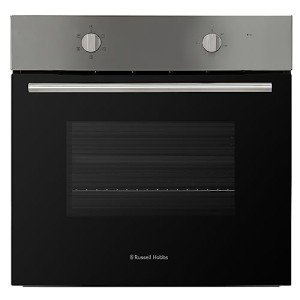
Understanding In-Built Ovens: A Comprehensive Guide
In the world of modern kitchen design, built-in ovens have risen to prominence, blending performance with aesthetic appeals. Their smooth integration into cabinetry provides a streamlined look, making them progressively favored by house owners and culinary enthusiasts alike. This post explores the various functions, benefits, installation considerations, and popular types of built-in ovens, together with addressing some regularly asked questions.
What is an In-Built Oven?
An inbuilt oven, frequently referred to as a built-in oven, is a kitchen home appliance created to be installed within cabinets, rather than as a freestanding system. This setup enables a more sophisticated and orderly kitchen layout while taking full advantage of available area. Built-in ovens can be found in numerous sizes, designs, and performances to suit various cooking requirements and preferences.
Advantages of In-Built Ovens
The benefits of installing an in-built oven extend beyond simple visual appeals. Here are some crucial advantages:
- Space Efficiency: Built-in ovens are created to fit snugly within kitchen cabinetry, making them perfect for compact spaces. This design leaves counter space free for meal preparations.
- Adjustable Design: Homeowners can pick from a variety of styles and surfaces to match their kitchen decor, enhancing the total look of the space.
- Enhanced Functionality: Many built-in ovens are geared up with innovative cooking innovation, supplying features such as convection cooking, steam cooking, and self-cleaning functions, which improve cooking performance and versatility.
- Ergonomic Height: Installing an oven at eye level reduces the need to flex down, making it easier to check food and manage dishes without straining the back.
- Improved Safety: Built-in ovens can include safety functions such as cool-to-the-touch surface areas and kid locks, which can be especially important in homes with kids.
Types of In-Built Ovens
Built-in ovens been available in several types to deal with various culinary needs. Below is a contrast of common types:
| Type | Description | Pros | Cons |
|---|---|---|---|
| Single Oven | A conventional oven that cooks from one space | Space-efficient, easier to utilize | Restricted cooking capacity |
| Double Oven | 2 different oven compartments for varied cooking | More cooking area, flexibility | Higher cost, uses up more space |
| Compact Oven | Smaller ovens perfect for little cooking areas or as a 2nd oven | Space-saving, versatile | Restricted capacity |
| Steam Oven | Uses steam for cooking, maintaining wetness | Much healthier cooking alternatives | Usually more expensive |
| Wall Oven | Built into the wall, available in single or double setups | Saves floor space | Setup intricacy |
Features to Consider When Choosing an In-Built Oven
When selecting a built-in oven, numerous functions must be considered:
- Size: Measure your kitchen space and kitchen cabinetry to make sure the oven fits correctly. Common widths for built-in ovens range from 24 inches to 30 inches.
- Cooking Methods: Determine the cooking techniques you prefer-- standard, convection, or steam. This choice will substantially influence your cooking style and the oven's abilities.
- Energy Efficiency: Look for ovens with high energy efficiency rankings. These models save money on utility bills and are much better for the environment.
- Control Options: Evaluate the control interfaces. Some models use clever functions enabling remote cooking control and monitoring via smartphone apps.
- Safety Features: Ensure the oven features important security features, specifically if kids will be present. built under oven and hob packages -out mechanisms and cool exteriors are important enhancements.
Setup Considerations
Proper setup is critical for the optimum performance of a built-in oven. Here are some setup considerations:
- Ventilation: Ensure appropriate ventilation to get rid of smoke and smells. Speak with local structure codes relating to kitchen ventilation requirements.
- Electrical Requirements: Built-in ovens normally require a dedicated electrical circuit. Have a competent electrical contractor evaluate price and security.
- Expert Installation: While DIY might be tempting, working with a professional installer guarantees the oven is fitted safely and safely.
Frequently Asked Questions About In-Built Ovens
What is the distinction between a built-in oven and a freestanding oven?
Built-in ovens are created to be installed within cabinets, whereas freestanding ovens can stand alone and typically combine oven and cooktop in a single appliance.
Can I install a built-in oven myself?
While DIY installation is possible, it is frequently advised to employ a professional to make sure safety and adherence to local structure codes.
Are inbuilt ovens worth the investment?
Yes, built-in ovens typically offer improved aesthetics, advanced functionality, and effective usage of area compared to conventional freestanding models.
What upkeep do built-in ovens require?
Regular cleansing, checking seals, and making sure appropriate ventilation are vital maintenance jobs. It's a good idea to follow the producer's instructions for specific care guidelines.
Just how much does a built-in oven generally cost?
Costs can vary significantly based upon functions, brand name, and type, however built-in ovens typically range from ₤ 700 to ₤ 3,000 or more.
Built-in ovens present a blend of beauty and practicality, making them an outstanding choice for both brand-new constructions and kitchen remodels. Understanding the types, features, and setup considerations can empower homeowners to make educated choices about which inbuilt oven best fits their requirements. As cooking patterns develop and kitchen style ends up being more sophisticated, built-in ovens will continue to play a considerable function in modern kitchen areas, merging cooking with style and functionality.